

It’s an inconvenience
If you’re a small business owner then firstly, congratulations. The bad news though is that you’re a prime target for cyber attacks. I’m not going to sugar coat things; part of that is the bad guy’s fault, but part of that is your fault.
Small business owners, in particular, view security measures as barriers to efficiency rather than essential tools to protect their organisation and its operations. One such crucial yet often misunderstood security measure is Two/Multi Factor Authentication (2FA/MFA).
Let’s explore why implementing MFA isn’t just necessary evil but a strategic move that can safeguard your business.
The Rise of Cyber Threats
Small businesses are considered prime real estate for scammers and cyber criminals. A large part of that is because the target is so big and welcoming, they’d be crazy not to try their luck. Think of it this way, if you were a burglar walking down a street and you saw a row of houses with it’s doors closed but one had it’s door wide open, you’d be crazy not to rob that house right? Right! Don’t leave your door wide open, cyber security speaking that is.
Enter the Multi Factor Authentication
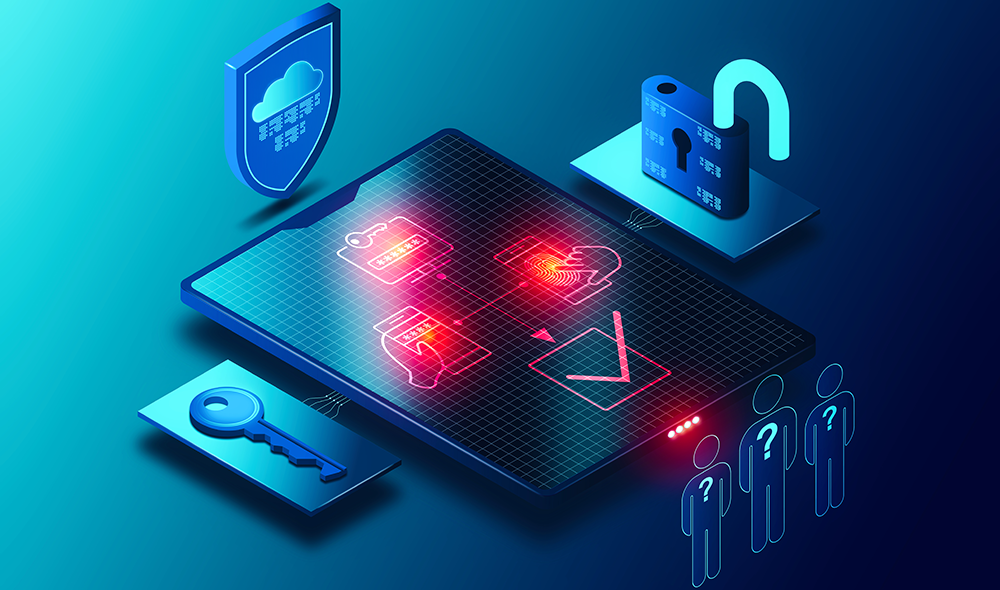
Imagine a scenario where a potential breach is thwarted not just by a password but by an additional layer of protection. That layer of protection is Multi Factor Authentication. Rather than relying on something you know (your username and your password), Multi factor authentication adds another factor to your authentication process:
- something you know
- something you have
- something you are
Why Use Multi Factor Authentication
Enhanced Security: This one should be obvious. In today’s age, there is absolutely no way around it, MFA is not going anywhere. Turn it on, get used to using it, it’s your friend.
The Human Factor: MFA acts as a shield against human errors, such as weak password choices or falling victem to phishing attacks. We’ve seen MFA save accounts from being breached as a result of someone falling for a phishing email. If that person didn’t have multi factor authentication turned on, the account would have been breached.
Protecting Data: This get’s overlooked, the only thing protecting an attacker from accessing your clients sensitive data that they trust you to keep safe, is your username and password. It’s absolutely your responsibility and you owe it to your clients to take that trust seriously. MFA provides an additional layer of protection, reducing the likelihood of unauthorises access even if passwords are compromised.
Overcome the Perception Barrier
It’s understandable that as a small business owner, you want to focus on running your business, keeping the lights on, growth, operations, all that fun stuff rather than dealing with security measures. However, viewing MFA as a strategic investment and as something that just has to be done is the key. The couple of seconds it takes to enter the 6 digit code or approve the notification prompt is time well spent compared to the potential long term consequences of a security breach.
What now?
Communication is key, help your team understand the importance of MFA, send them this blog post if you like.
Most applications support MFA these days, raise an eyebrow at the one’s that don’t, any application that doesn’t should really be assessed whether it’s worth the security risk using it. Log in with your username and password and have a poke around your profile settings and you’ll find the Multi Factor Authentication settings. There’s normally instructions you can follow but if you’re ever unsure, you can always reach out to the company (or us if you like https://redfoxtech.co.uk/it-services)
Go forth and enable MFA!